
In the fall of 2024 we were contacted by a local home builder with a request to go check out a large void beneath a driveway in a residential area of St. Louis County. This is a fairly common type of phone call we receive, however based on the one picture we were sent, we did not expect to uncover this large of a void.
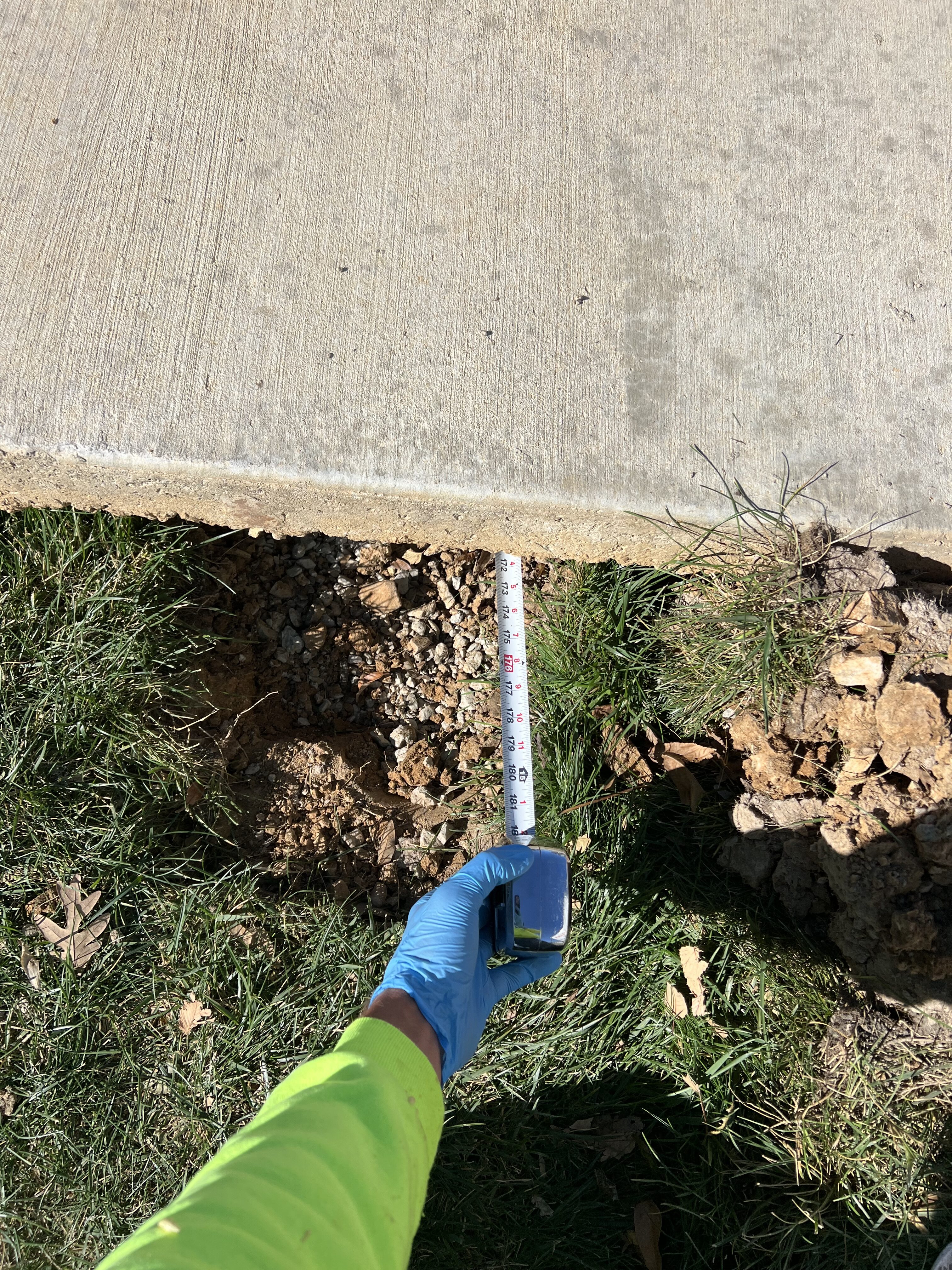
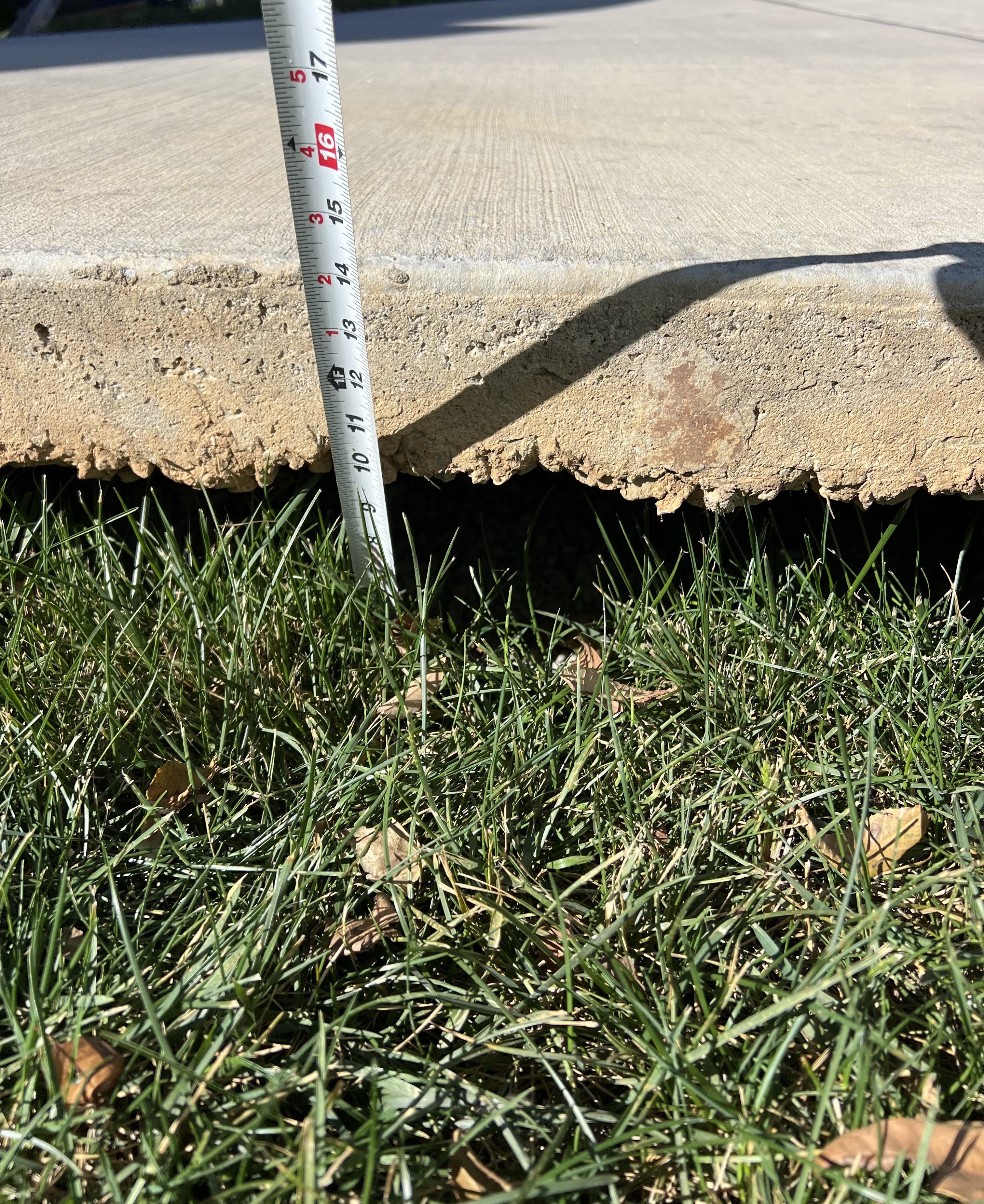
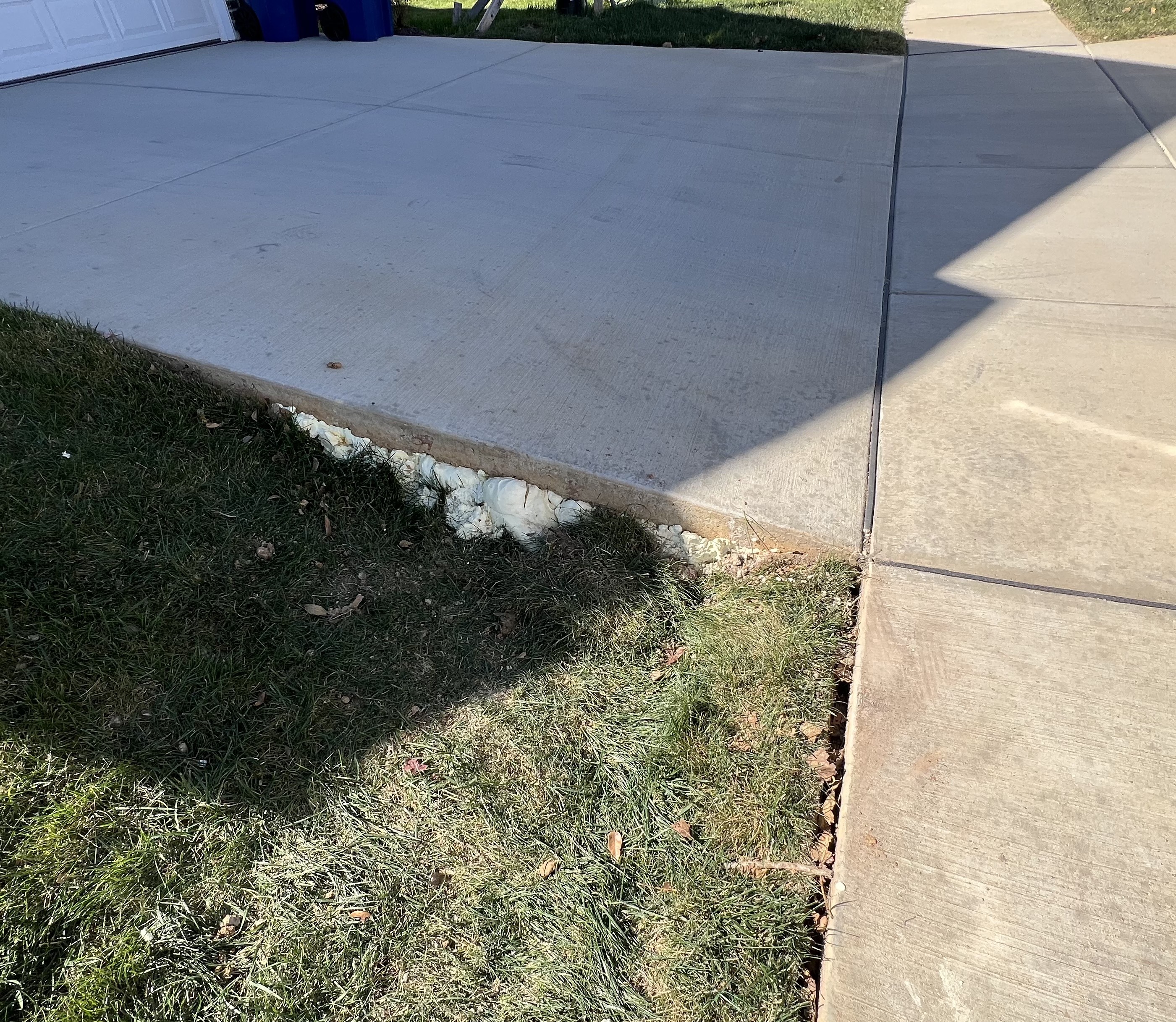
When we arrived at the property to inspect the driveway and take measurements, we quickly found that this empty space beneath the homeowners driveway was roughly 8” in depth, and extended roughly 14’ toward the middle of the driveway. It was a shock this driveway had not yet cracked and caved on itself. Luckily, for both the builder and the homeowner, we were able to get a price agreed upon, and fill the empty space within 48 hours of receiving the original phone call.
Key Takeaways
In this case there was not great visibility to be able to see beneath the driveway and fully understand how significant of a void this was. It appeared to be a minor 4-5” washout that extended beneath the driveway a foot or two.
A few notes to keep in mind for homeowners:
- On all homes, and new builds especially, inspect concrete pads 2-3 times per year for new cracks, voids, or sinking.
- During rainfall inspect your gutters and downspouts to insure they are draining properly and water is running away from your house. Check for any water runoff that could be undermining sidewalks, driveways, porches, patios, etc..
- If you notice problems, call a professional right away to get an opinion. For owners of new homes, we would recommend calling your builder. They will be able to provide a professional opinion, and you also may be covered by a warranty.
Give us a call today if you have any questions about your concrete or would like a free estimate for concrete lifting.
Enjoy content from DL Polyjack? Make us one of your preferred sources on Google.